
How Our Capacity-Building School Alumni Are Launching Citizens’ Assemblies, From Kentucky to California
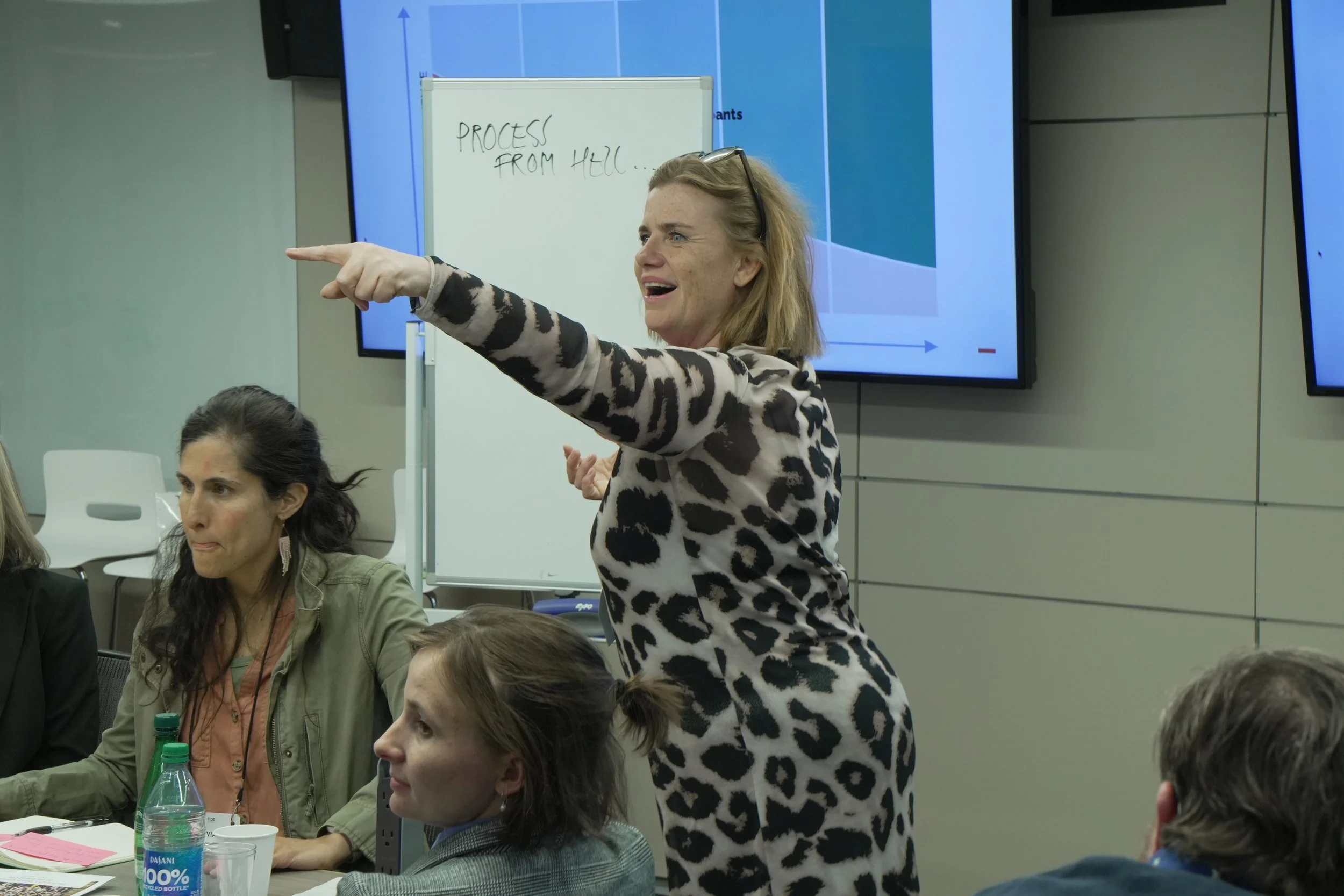
2026 is proving to be a huge year for Citizens’ Assemblies in the United States, with more citizens’ assemblies than ever before being launched across the country. We are proud at FIDE - North America to have contributed to this momentum! In this newsletter, we hear in detail from several alumni of our Capacity-Building Schools who are now in the thick of launching their own assemblies.
We hear what they learned at the schools and how it helped pave the way for this much-needed burst of deliberative democracy — from Kentucky to California and in between. Making the leap from democratic theory to the practical workings of local governments can be daunting. For leaders in cities like Dayton, Lexington and Los Angeles, FIDE’s Capacity-Building Schools have served as a vital bridge, turning skepticism into action and abstract theories into concrete plans that are now in motion.
Mike Squire: From Skeptic to Advocate in Dayton, Ohio
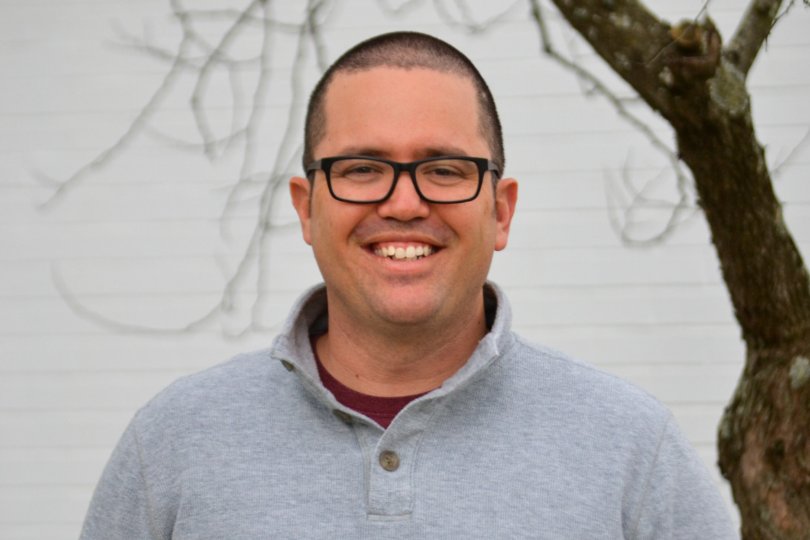
Mike Squire
Community Engagement Division Manager at the city of Dayton, Ohio
FIDE Capacity-Building Alumn (Phoenix - October 2024, Akron - June 2025)
For Mike Squire - Community Engagement Division Manager at the city of Dayton, Ohio - the journey into the world of Citizens’ Assemblies began with a "push into the deep end." First introduced to the concept by the Kettering Foundation and his city manager, he joined FIDE’s 2025 assembly school in Phoenix with some reasonable doubts.
"I went into the process very skeptical," Squire recalls. "Is it the right fit for my people, my residents? Or is this some kind of theoretical ivory tower concept that is trying to be pushed onto us?"
That skepticism didn't last long. After an immersive experience, his perspective shifted: "Coming out of it, I was like, 'This is it. I’m a believer.'" He described learning from the practitioners and experts at the school as being hit with a "fire hose of information," a crash course that allowed him to return to Dayton as an advocate.
There were still bits of knowledge missing as he sought to turn theory into practice, so he attended FIDE - North America’s 2025 Citizens’ Assembly school in Akron, Ohio, too. "Akron was really helpful in kind of filling in missing puzzle pieces that I had assembled around the edges... I was missing some stuff in the middle, and Akron helped put those pieces in."
Beyond technical training, Squire found great value in the networking aspect of the schools, forming relationships that have led to direct collaborations with consultants and peers.
This inspiration has even bled into his daily work with Dayton's city departments. Squire said he’s "actively stealing ideas" from the assembly model—such as using randomized, personalized invitations for public meetings on road projects—to move away from the usual "yelling matches.”
The school instilled the importance of rigor, quality and standards that are required for an assembly to be “truly democratic and deliberative.”
Kit Anderson: Building a High Quality Assembly in Lexington
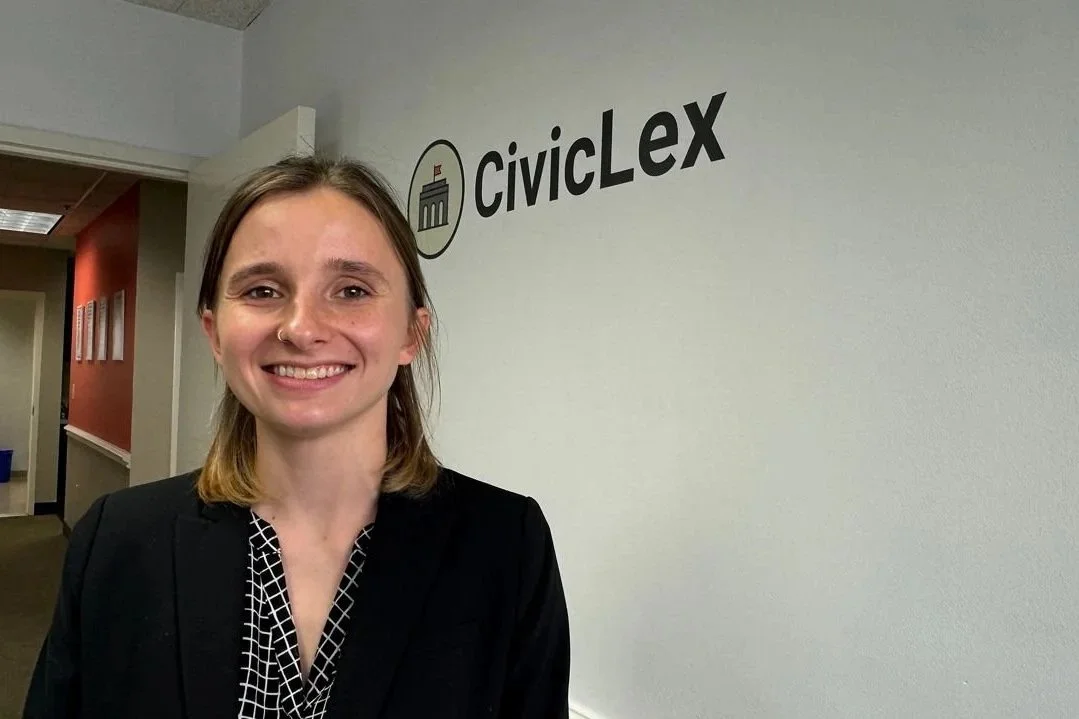
Kit Anderson
CivicLex Deputy Director
FIDE Capacity-Building Alumn (DC - April 2024)
For Kit Anderson, CivicLex Deputy Director, the FIDE Assembly School was a catalyst that helped move her team in Lexington, Kentucky from curiosity to commitment. "When I attended the school, we weren’t even committed to doing an assembly yet," Anderson said. "It was right at the beginning of our planning process."
“It was really the perfect place to answer the first 50 questions I had—what does this look like? Who is in the room? What are situations where this has been used? What would it look like to do at a local level?”
Anderson had read evaluation reports published after other assemblies, but couldn’t grasp from those documents some of the “nitty-gritty” parts of how to implement an assembly in her city. “You need someone to be honest with you… okay, it’s written this way in the report, but did it work?" Anderson said.
At the school, Anderson had the opportunity to ask those hard, specific questions, and it gave her the confidence to be "dogged" about maintaining the integrity of the process back home. It can be tempting to take shortcuts, but Anderson has been inspired by the school to meet the key standards for a deliberative assembly. This meant committing to a full process of sortition, sending 10,000 postcards to randomly selected addresses to seat a 36-member body.
Anderson also credited the school with helping Lexington avoid a common pitfall: assembly-produced recommendations that are too vague or unfeasible. Anderson’s team at CivicLex chose the city charter as their topic to ensure a "clear mandate and a clear path for the recommendations."
And, FIDE - North America continues to be helpful outside of the school itself, answering questions as they come up. "It has been an incredibly positive experience for us,” Anderson said. “FIDE has been a huge help to us."
Alex Levy: Scaling Impact and Building Momentum in Los Angeles
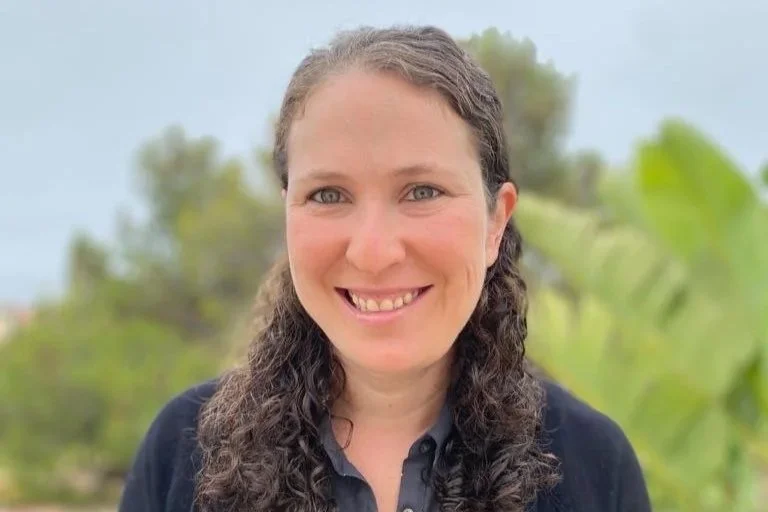
Alex Levy
Co-Lead at Public Democracy Los Angeles
FIDE Capacity-Building Alumn (DC - April 2024)
For Alex Levy and the team at Public Democracy LA (PD LA), FIDE’s Citizens’ Assembly School served less as an introduction to the concept and more as a high-octane networking hub and "rejuvenation station."
While Levy was already familiar with the mechanics of Citizens' Assemblies, the school revealed the scale of the movement for them. "One of the biggest things that I took away was how many people are trying to get citizens assemblies to happen in their communities that I wasn’t aware of," Levy said.
That vast network became a living "resource list.” She’s drawn on this national and international network for PD LA’s assembly projects, including their first civic assembly for the Los Angeles Charter Reform Commission and an upcoming assembly in neighboring Culver City.
Levy and her team leaned heavily on "mini-assemblies"—experiential versions of the process designed to show, rather than just tell, how deliberation works. This approach proved to be the "smoking gun" for local policy,” she said. "A council member joined and saw why a civic assembly works, and was so excited and convinced the city council that it was the correct way forward for Culver City."
“Four of us went to the [FIDE - North America] citizen school and we were really amped after and it added a whole new energy to what we were working on. The connections rejuvenated us.”
Whether it was talking shop with New York officials or seeing different examples of assembly design, the school "opened the door" to new ways of creating democratic spaces across Los Angeles County.
Matthew Slaats: Reinvigorating Civic Culture in Richmond
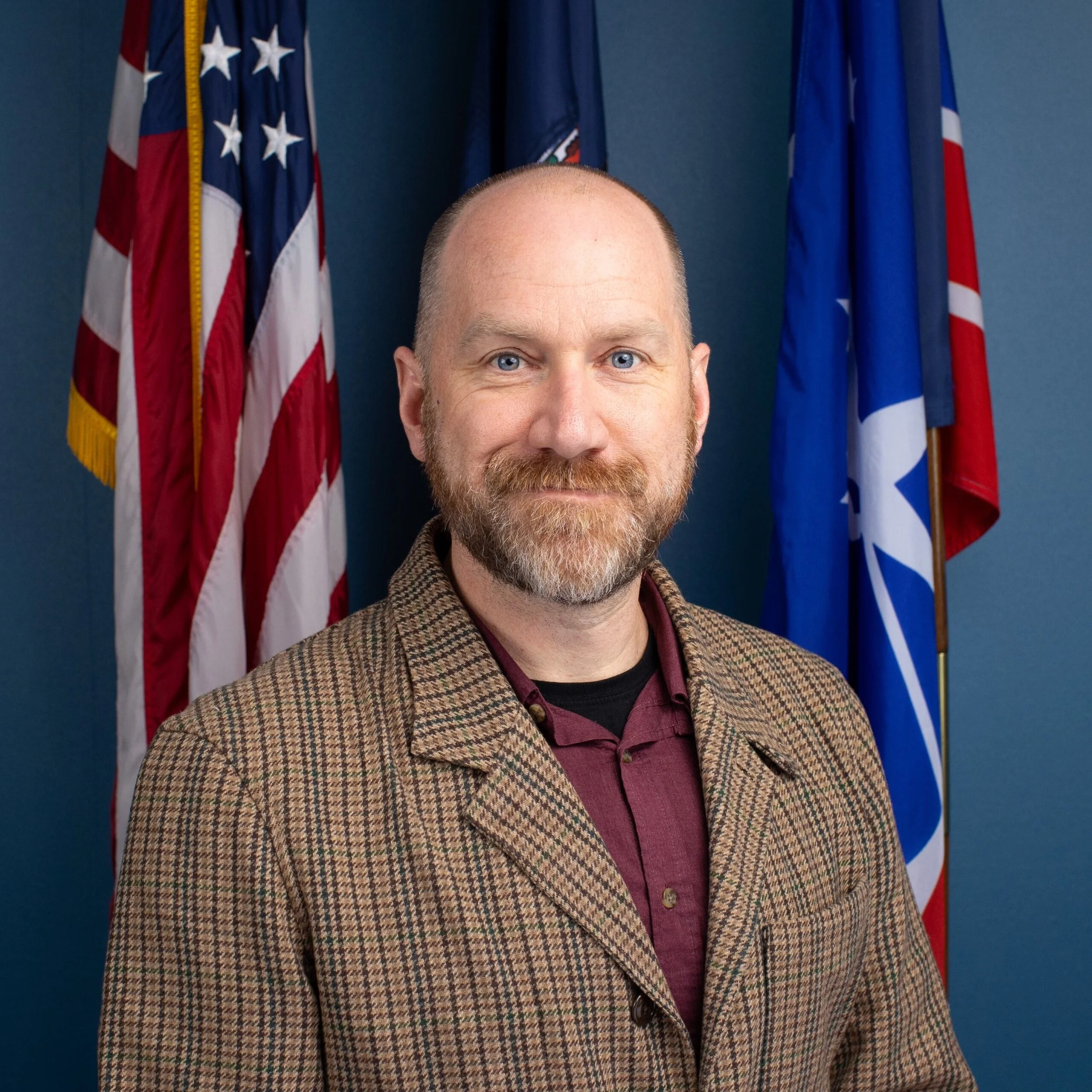
Matthew Slaats
Senior Civic Innovation Manager for the city government of Richmond, Virginia
FIDE Capacity-Building Alumn (Akron - June 2025)
Matthew Slaats is a Senior Civic Innovation Manager for the city government of Richmond, Virginia. He told us that FIDE has given him “a new framework” for understanding how democracy can work, helping him to see citizens’ assemblies as something that can be paired with other practices to “remove the distance between residents and governments.” He’s reconsidered how assemblies not only address specific community problems, but have add-on effects of building bridges across political divides.
Finally, he said, the relationships he’s formed have “blossomed into a collaboration to bring these ideas to Virginia as a way of building a new civic culture in the state.” Following a first-ever participatory budgeting process in Richmond in 2025, Slaats, said, “we are in the early stages of convening a host of leaders to consider how a citizen's assembly might be implemented.”
To that end, Slaats and colleagues at PlanRVA - a regional planning body for the City of Richmond an 8 nearby counties and local governments - invited FIDE to lead a March 4, 2026 workshop on citizens' assemblies. The workshop convened more than 20 representatives from local government departments, advocacy groups, community foundations, universities, and non-profits.
The transition from "skeptic" to "believer" usually starts with a single question: What if we actually trusted our residents? FIDE - North America’s Capacity-Building Schools can help provide answers—and the tools and connections to turn that knowledge into action.
RECENT EVENT: Deliberative State Governance Inaugural Workshop
The most senior level convening on Citizens’ Assemblies ever in the United States!
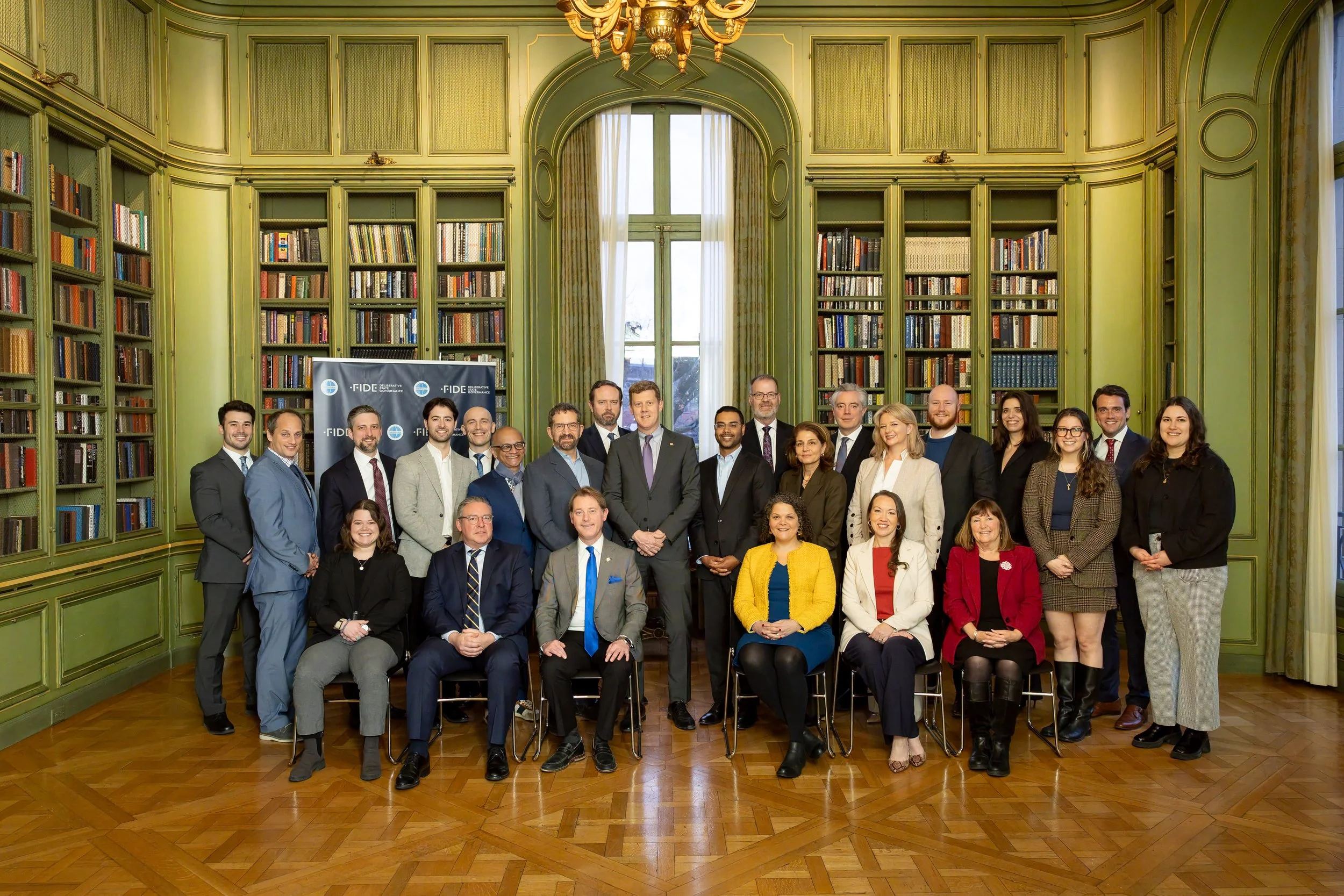
FIDE - North America’s Deliberative State Governance workshop, Meridian International Center (DC), February 18th, 2026
On February 18th, FIDE - North America’s Deliberative State Governance (DSG) program launched its inaugural workshop. Over the course of the day, US policy makers discussed how governments can use Citizens' Assemblies to bring the public back into public policy, all while fortifying states, communities, and government institutions.
Speakers included international elected leaders (Canadian Senator Mary Coyle), international experts in deliberative democracy (Art O'Leary - Chief Executive of the Electoral Commission of Ireland and Peter MacLeod of MASS LBP), U.S. experts (Jeffery Marino - CA Office of Innovation, Amy Lee - OSU, Mahmud Farooque - ASU, and Harry Nathan Gottlieb - Unify America).
We were touched to hear about the palpable sense of hope in the air among our attendees. The workshop and ensuing reception fostered meaningful dialogue around deliberative democracy and how, rather than lament over the problems we face, governing bodies can work together with their citizenry to find innovative solutions.
A huge thank you to everyone who made this event possible. Please stay tuned for more announcements about DSG very soon.
If you have any questions about DSG please contact our Strategic Director of Deliberative State Governance, Kara Revel Jarzynski (kara@fidemocracy.org)
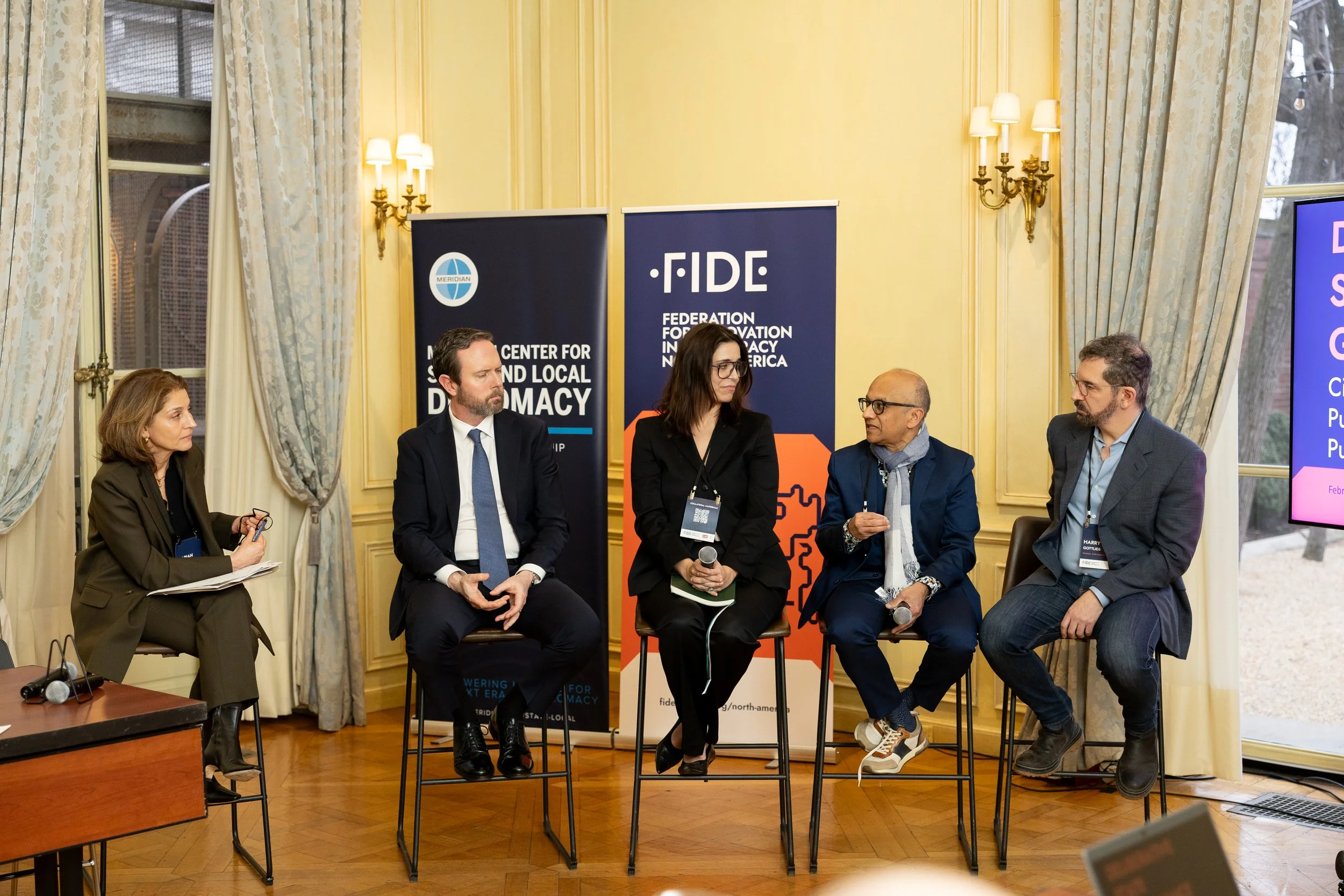
FIDE - North America’s Deliberative State Governance workshop, Meridian International Center (DC), February 18th, 2026
What we’re reading right now:
The People Powered Impact Report (2025)
At FIDE - North America, we are always looking for organizations and resources that encourage democracy not just in North America, but worldwide. This month, we were blown away reading the People Powered Impact Report for 2025, a comprehensive walk through of all the work People Powered achieved furthering democracy globally last year, looking at programs in over 33 countries that spanned from climate governance to navigating democracy in the era of Artificial Intelligence.
Deliberative Democracy seems to be the concept of the moment these days, and that makes sense, since as People Powered states in their report, “People want, more than ever, to be part of the decisions that shape their lives.”
Our Partners in the News:
— Daily Herald, Snohomish County prepares for Civic Assembly centered on policy development for the use of Artificial Intelligencer (Published January 31st, 2026)
— Lexington Herald-Leader, Lexington, KY, has commenced its first Civic Assembly, taking place over the course of March, focused on city charter review and council pay (Published March 2nd, 2026)
— Akron Beacon Journal, Akronites chosen via lottery for Akron, OH’s first Civic Assembly, which will focus on the city’s housing policies (Published February 27th, 2026)
We couldn’t be more proud of our partners for the incredible work they are doing putting the public back in public policy. See the full scope of our advisory and evaluation work below!
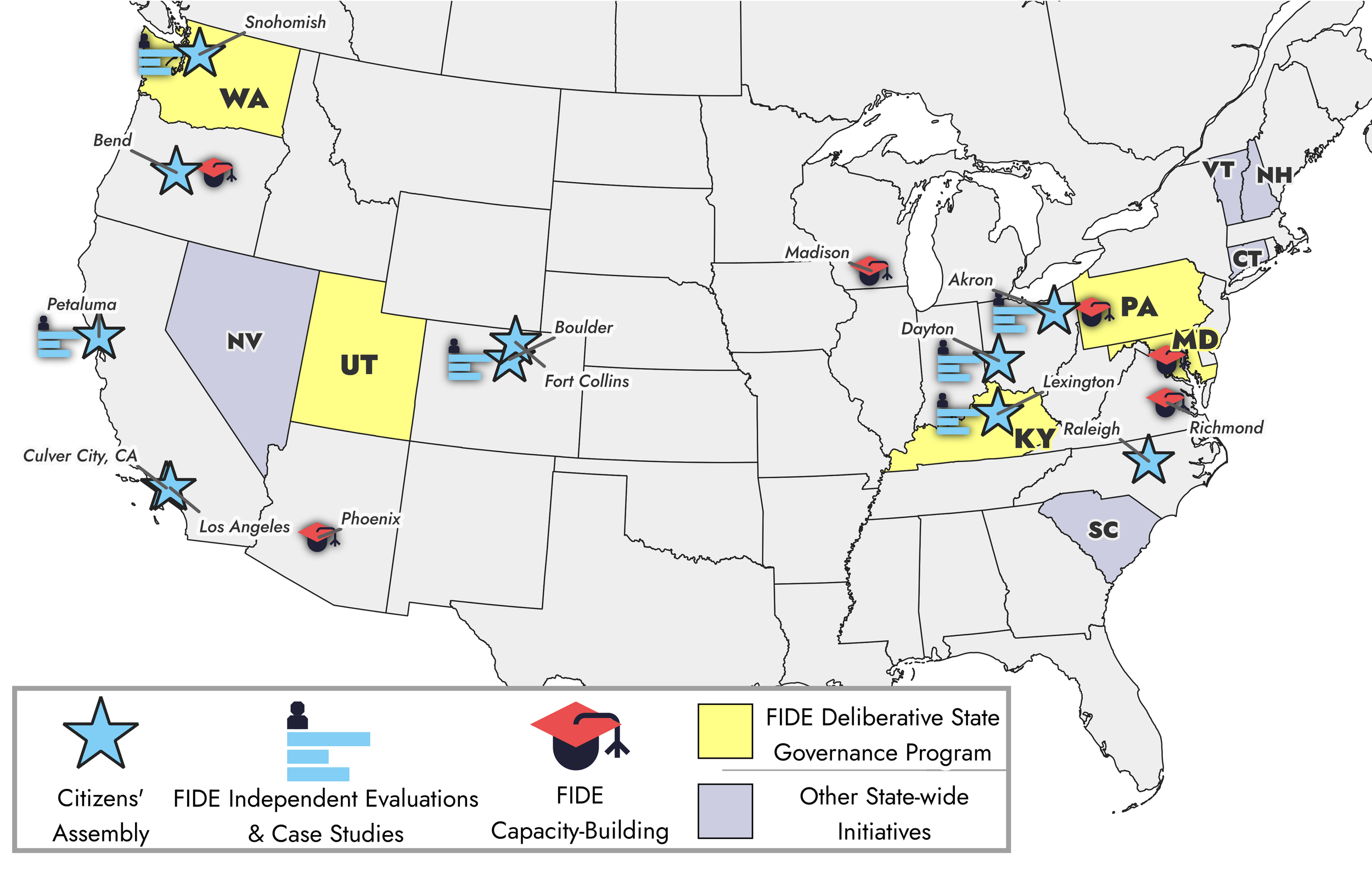
FIDE – North America is hiring:
Part-Time Innovation Fellow (Washington, DC)
The Federation for Innovation in Democracy – North America (fidemocracy.org) is recruiting a part-time Innovation Fellow to support our work designing, training, and evaluating Citizens’ Assemblies across the U.S. and Canada.
Details:
• $20/hour
• ~8 hours/week
• Hybrid (weekly in-person check-in at Open Gov Hub, Washington, DC)
Who should apply:
Students or early-career professionals interested in democracy, civic engagement, government, comparative politics/federalism, or deliberative democracy.
What you’ll do:
This is a project-based fellowship. Fellows will own 1+ research/strategy projects (with clear deliverables) and present findings to the FIDE team. Topics may include government outreach capacity, procurement pathways, jurisdictional analysis, or mapping the democratic reform space. Occasional support for events/convenings.
Fill out our application here: https://forms.gle/xVynqeB2rSz5iJrq9