
Opening the deliberation black box
A facilitation training program starting September 2026

In the development of citizens’ assemblies, we have collectively developed a solid toolkit. Guides, training, and even open-source software are available for institutions to start implementing assemblies. However, one aspect remained hidden to most: the deliberation in the room.
Paradoxically, the heart of the process –citizens engaging in deep conversations that lead to a common result– persisted in the dark. The most inspiring and critical part was often under-specified. “That’s where the magic happens” helped inspire many, but did not serve to expand quality practice. One cannot design magic into the political system. That’s why we have decided to open the deliberation black box.
We started with the introduction of the first competence model for Lead Deliberative Facilitators. The model makes the “magic” legible and teachable. By documenting the skills and competence domains, we start a key conversation within the field to raise the bar around facilitation.
The model is the first step in the new Deliberative Facilitation Training program. Co-designed and developed with We Do Democracy.
The training program
Picture the path to becoming a lead deliberative facilitator as a ladder. Most practitioners are on the ground or the first rungs. The full training program will eventually cover three levels:
Level 1 – Design and Facilitate Participation: For participants working in participation, community organizing, or stakeholder involvement who are new to deliberative democracy and want to enter the field.
Level 2 – Deliberative Facilitator: For facilitators with basic deliberative knowledge and some experience in assembly teams as co-facilitators, table moderators, or project team members.
Level 3 – Lead Facilitator: For experienced professional facilitators with deep knowledge of citizens’ assemblies, ready to take the overall responsibility for designing and leading a deliberative process.
We are starting at the top: the level the field needs most urgently, and the level where weak practice does the most damage.
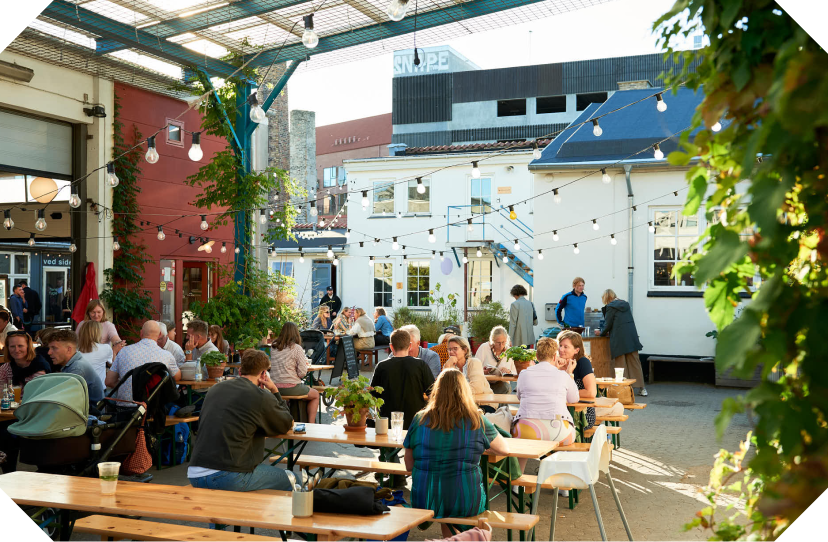
The first edition will be hosted at Demokrati Garage, an innovation center for participatory democracy in Copenhagen, Denmark.
Lead Facilitator Masterclass
September 14 -16 – Demokrati Garage, Copenhagen
This edition is built for people who have substantial general facilitation training, or have worked inside deliberative project teams and are comfortable in a room with people. It is not an introduction. It is a step-change for practitioners ready to take responsibility for the integrity of a full deliberative process.
The program is built as a four-phase journey across September, mixing intensive in-person practice with peer support and real-world application.
Online onboarding — September 1, 4 pm – 5 pm CEST. Meet the cohort, set learning goals, get the prep materials.
Three-day masterclass in Copenhagen — September 14–16. Hands-on labs covering macro and micro design, knowledge curation, group dynamics, leading the team, voting and editor groups, and the practice of "spotting" a lead facilitator in the room.
Online group follow-up — September 28, 4 pm – 5.30 pm CEST. Reflect on application, surface obstacles, deepen the cohort.
What you’ll walk away with
30% listening, 50% doing, 20% reflecting
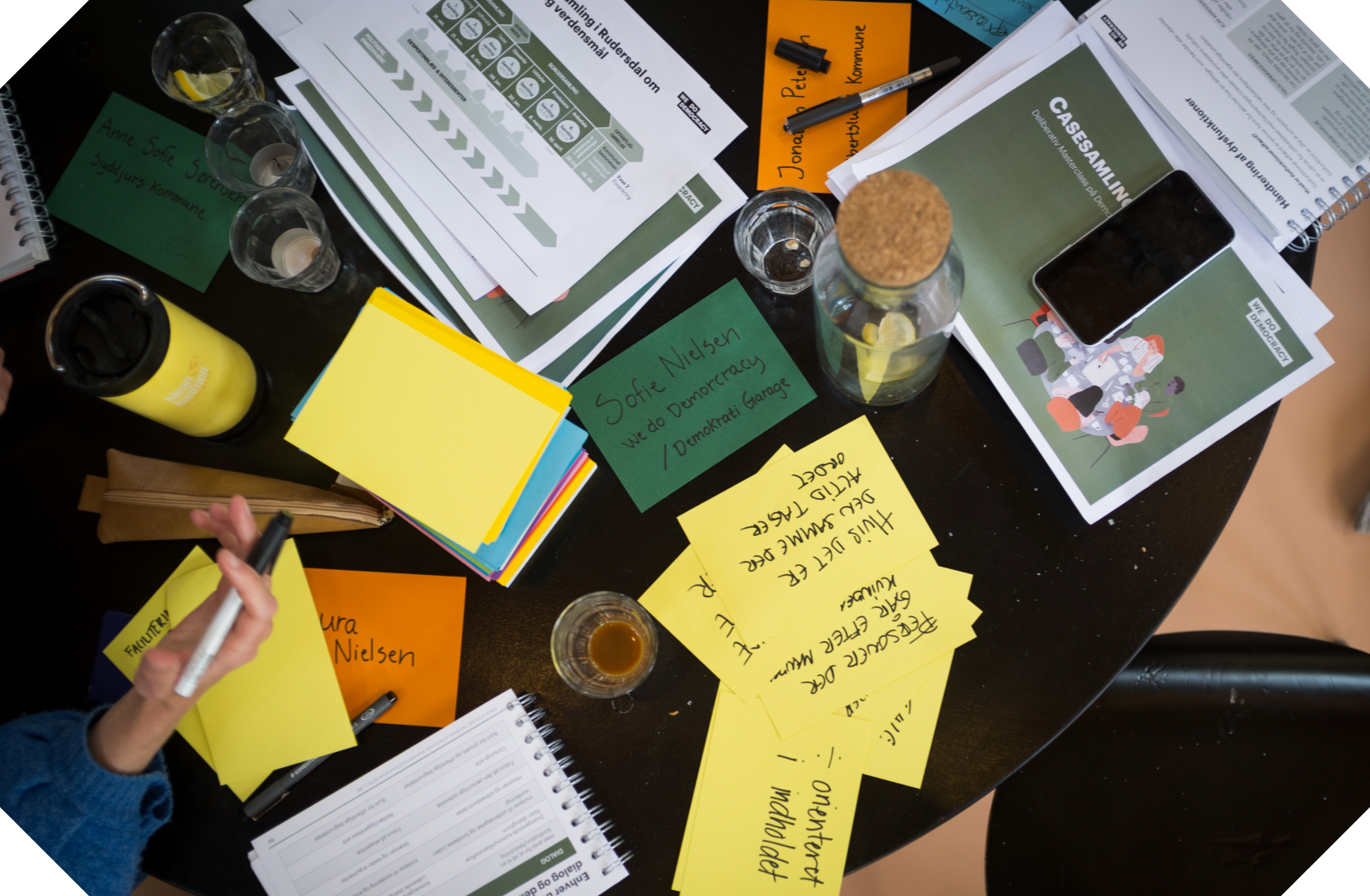
The program is built around the competence model for Lead Deliberative Facilitators. By the end, you will:
Be able to design a citizen's assembly from start to finish
Have a thorough understanding of the role and required skills
Be able to design a team, a program, and a run-sheet
Have a rich toolkit to use during deliberation
Understand the principles of and be ready to design a learning journey for assembly members
Have practiced facilitation skills like managing dysfunctions, mediation, leading large-scale dialogue, deliberation, and voting
Receive feedback from an international facilitator trainer team to help you identify your strengths and weaknesses
Be part of an international community of practice for deliberative facilitators
During the application, we’ll ask you about current skills, knowledge, and experience, so we can adapt the curriculum to the cohort’s needs and expectations.
For already experienced facilitators
If you are already leading processes, this is a place to sharpen judgment against peers who do the same work, pressure-test your own practice against a shared reference, and contribute to defining the craft as it institutionalizes across Europe. The cohort is small by design.
How to apply
Deadline: 25 June
Seats are limited, and we want to make sure each participant is at the right rung of the ladder. To apply, fill out a short form sharing your facilitation background, your deliberative experience, and which competence domains you most want to develop. We review applications on a rolling basis.
Not the right level — or not the right time? Future editions will cover earlier rungs of the ladder. Submit your interest at europe@fidemocracy.org
Call for workshops
Apply by 17 July
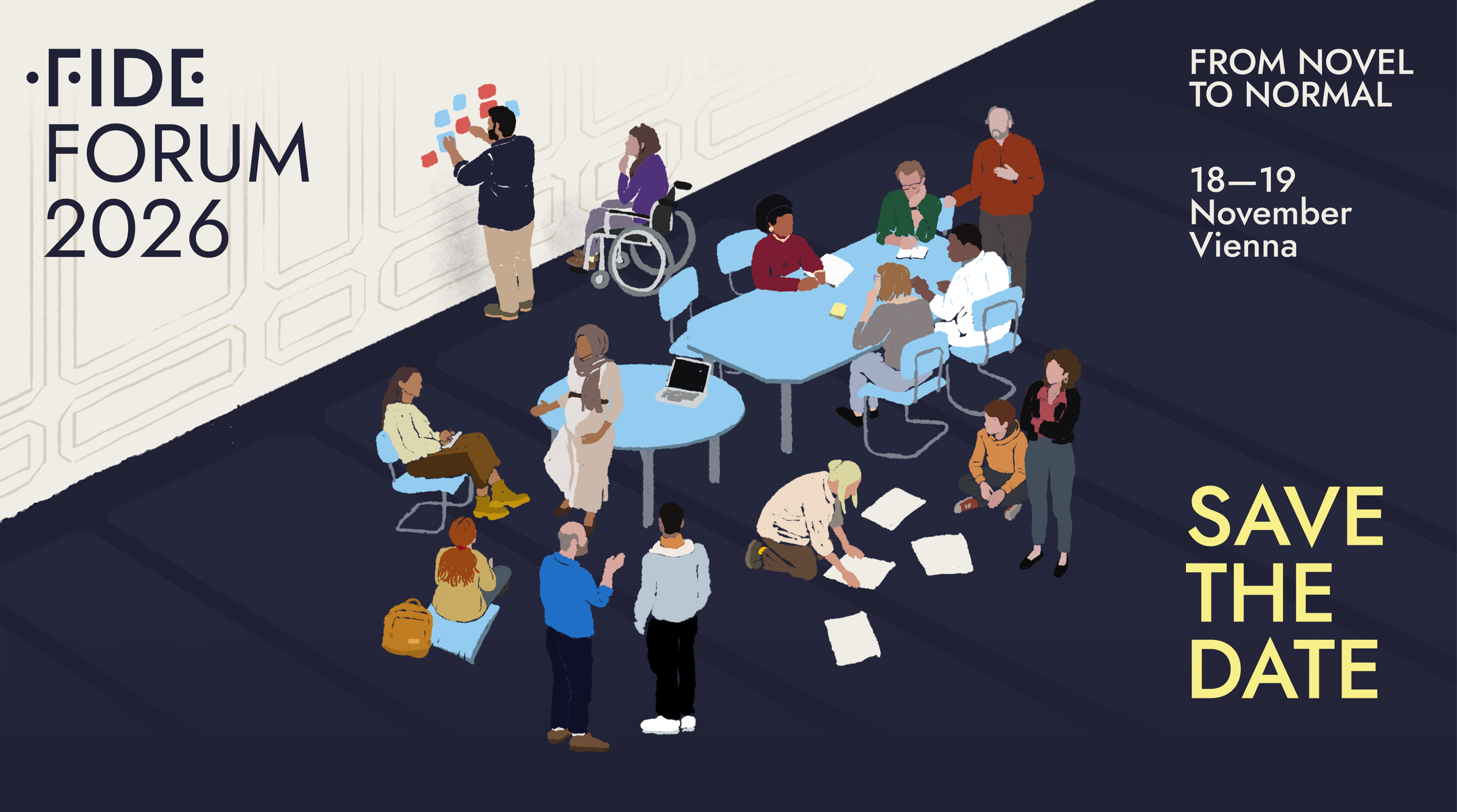
The 2026 FIDE Forum will take place in Vienna, Austria, on 18 and 19 November 2026. A conference for deliberative democracy practitioners, public officials, political parties, NGOs, and funders to move this field from the margins to the mainstream. To build the infrastructure, lift the standards, and create the political will to make it permanent.
We're opening our call for workshop applications — 75-minute sessions with 15 to 35 participants, hosted by practitioners tackling the open problems in deliberative democracy.
A good workshop sharpens the craft: teaches a method, opens a hard question, or connects people doing the same work in different places. We'll prioritize applications with a clear plan to improve the field, and tag each session with a topic and difficulty rating so participants can choose well.
Apply early. We review on a rolling basis, and we expect more applications than we can accept. Questions: workshops@fidemocracy.org